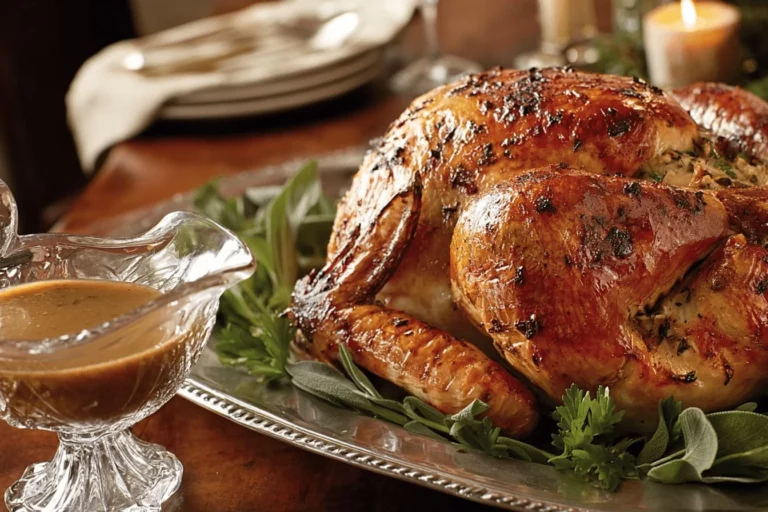
Alton Brown’s Classic Brined And Roasted Turkey Recipe
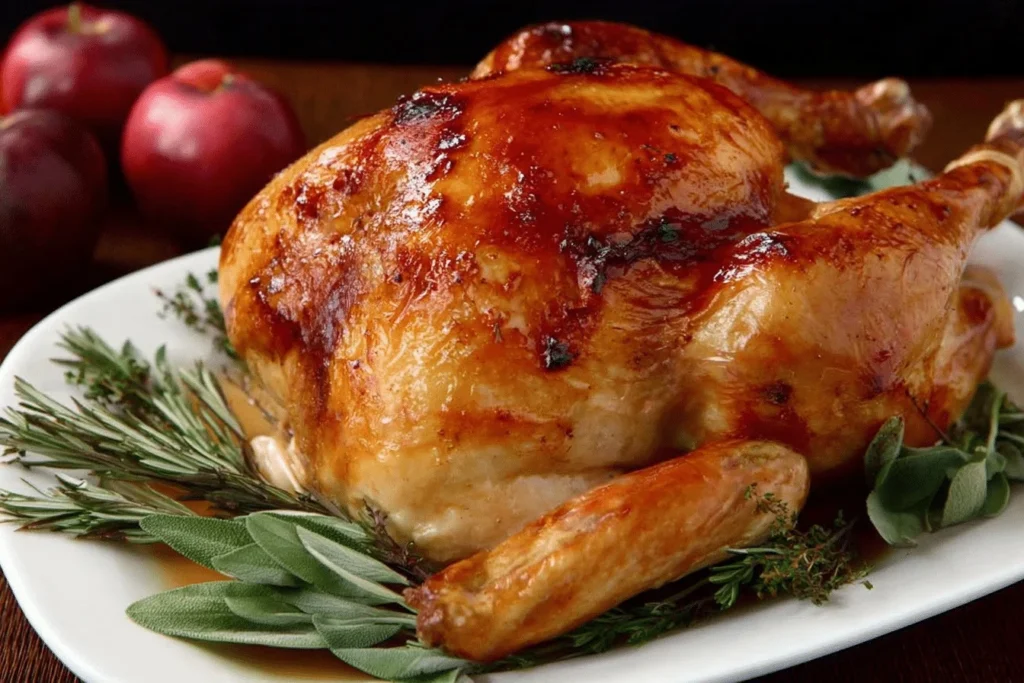
Roasted turkey is always the star of the show at Thanksgiving. Often, the turkey doesn’t turn out as juicy as you would expect. But if you try out this recipe for Alton Brown’s classic brined-and-roasted turkey, I guarantee you’ll enjoy the juiciest turkey ever on Thanksgiving!
Roasting a turkey on Thanksgiving is almost a tradition for everyone. No one can, however, deny that getting that perfect turkey can be a long process. This recipe is a little longer, too, because the turkey needs a long chilling and resting period before roasting.
The secret to making this turkey as juicy as it is? You guessed it: the brine! In this article, you will find a complete step-by-step guide to preparing this turkey at home from scratch.
From equipment and timing to ingredients, method, and everything in between, this article has everything you need to make this recipe. Now, let us dive into this recipe for a lovely turkey on Turkey Day!
Expert Tips That I Recommend
- Make sure you thaw the turkey in the refrigerator. If you use the cold-water method, keep it submerged in water and maintain the temperature below 40 degrees F.
- Remove the giblets and neck before brining the turkey.
- Be careful while brining the turkey, as it can make it overly salty and can affect the texture.
- After brining, dry it properly. A well-dried skin gives a crispy crust.
- Use an instant-read thermometer to check the turkey’s internal temperature. If the internal temperature reaches 74 degrees Celsius, it’s cooked.
Recipe Variation for Different Diets
- Keto Version: Swap sugar for monk fruit sweetener and carrot for zucchini.
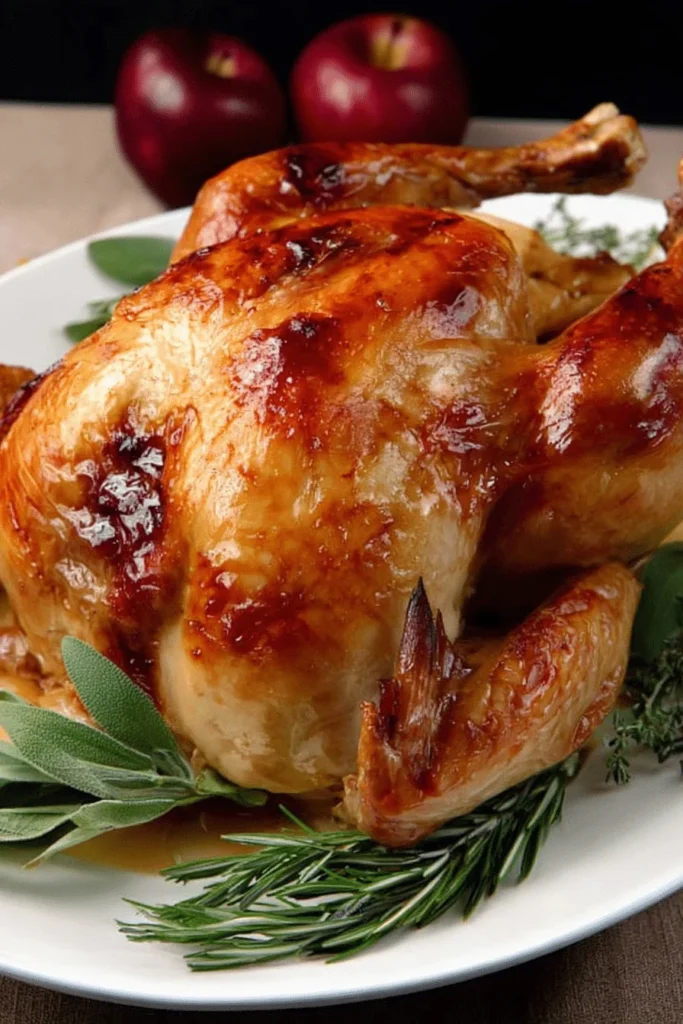
Storing And Reheating This Recipe
Storing
- Allow the turkey to cool completely. Then place it in an airtight container and refrigerate it. Consume within 3-4 days. Keep the temperature at 4°C or below.
- You can also store it longer by freezing the turkey in a freezer-safe bag for 2-3 months.
Reheating
- Oven: First, preheat the oven to 160 degrees C. Then add the turkey and a splash of broth to an oven-safe dish and cover it lightly with foil. Now heat for 15-20 minutes. Stir it halfway through until steaming hot.
- Stovetop: Add the turkey and some broth to a skillet. Then gently warm for 5-8 minutes. Keep checking it between turns, as it is covered, and keep stirring.
Printable Version
Brined And Roasted Turkey Recipe
Ingredients
- 14- to 16 pound Frozen Natural, Young Turkey
For the Brine
- 1 Gallon Vegetable Broth
- 1 Cup Kosher Salt
- ½ Cup Brown Sugar
- 1 Tablespoon Black Peppercorns
- 1½ Teaspoons Allspice Berries
- 1½ Teaspoons Chopped Candied Ginger
- 1 Gallon Heavily Iced Water
- For the Aromatics
- 1 Red Apple quartered
- ½ Yellow Onion quartered
- 1 Cup Water
- 4 Sprigs Fresh Rosemary
Equipment
- Cooler
- Probe Thermometer
- Paper Towels
- Roasting Pan
- Aluminum Foil
- Whisk
- Large Knife
- Chopping Board
Method
- If the turkey is frozen, begin thawing it 2–3 days before roasting. Thaw it safely in the refrigerator or in a cooler maintained at 38°F (3°C).
- Prepare the brine while the turkey thaws. Combine the vegetable broth, salt, brown sugar, peppercorns, allspice, and candied ginger in a large stockpot. Bring to a boil over medium-high heat, stirring occasionally until the salt and sugar dissolve.
- Remove the brine from the heat, cover, and let it cool to room temperature. Refrigerate until completely chilled.
- The night before or early on the day of roasting, combine the chilled brine with the ice water in a 5-gallon cooler.
- Remove the giblets and any other innards from the turkey, then place the turkey breast-side down in the brine. If necessary, weigh it down so it remains fully submerged. Keep it in a cool area for 8–16 hours, turning the turkey halfway through.
- When ready to roast, preheat the oven to 500°F (260°C) and position the oven rack at the lowest level that can accommodate the turkey.
- Remove the turkey from the brine and rinse the inside and outside thoroughly with cold water. Discard the brine. Place the turkey on a flat roasting rack set over a half-sheet pan or roasting pan and pat completely dry with paper towels.
- Prepare a turkey shield by folding a sheet of heavy-duty aluminum foil into a triangle. Lightly grease the foil with canola oil, then shape it over the turkey breast with the point facing toward the legs. Press the foil gently around the breast to hold its shape, then remove and set aside.
- Combine the apple, onion, water, and cinnamon stick in a microwave-safe dish. Microwave on high for 5 minutes. Add the softened apple and onion mixture, along with the rosemary and sage, to the turkey cavity, leaving the liquid behind. Tuck the wings underneath the turkey and lightly coat the skin with canola oil.
- Place the turkey on the lowest oven rack and roast at 500°F for 30 minutes.
- After 30 minutes, carefully pull out the oven rack and quickly insert a probe thermometer into the thickest part of the breast, making sure it does not touch the bone. Place the prepared foil shield over the breast.
- Return the turkey to the oven and immediately reduce the temperature to 350°F (175°C). Set the thermometer alarm for 155°F (68°C). A 14–16-pound turkey will typically require another 90 minutes to 2 hours, but use the internal temperature rather than cooking time as the primary guide.
- Once the turkey reaches the target temperature, remove it from the oven and loosely cover it with foil. Let it rest on the roasting pan for at least 15 minutes.
- Transfer the turkey to a cutting board, carve, and serve.
Tag @fxprecipes and let us know how it was — we’d love to share your pictures.
FAQs About Alton Brown’s Classic Brined And Roasted Turkey
What does the brining liquid do to the turkey?
The brining liquid seeps into the turkey, adding flavor and making it tender.
Do I need to check the temperature of the water and brining liquid?
Yes, it is essential to check and maintain the temperatures of the water and brining liquid.
Can I add other herbs to the turkey while roasting it?
Yes, if you want your turkey to taste a certain way, you can add other herbs, too.
Can I add other aromatic vegetables to the turkey?
Usually, onions, carrots, and celery work best in this recipe and provide enough flavor. But if you really want to, you can add other vegetables too.
Can kosher salt be used in place of regular salt for brining?
Yes, you can use kosher salt for brining if you would like to.
More Recipes That You Can Try
Perfect Alton Brown Good Eats Roast Turkey Recipe
Grilled Bobby Flay Hanger Steak
How To Make Herb-Roasted Turkey Breast At Home
Conclusion
Juicy and extremely flavorful, this brined and roasted turkey recipe by Alton Brown is truly one of the best. The brining makes the turkey extra flavorful and tender, giving you a perfectly juicy turkey to serve on Thanksgiving!
Let's Connect
Follow us on our social media platforms.
You can subscribe to FXP Recipes to get weekly recipes in your inbox. If you make this recipe, leave a comment, rate it, and tag us in your photos on social media.
Related Articles
More recipes you might like from FXP Recipes.
Texas Roadhouse Prime Rib Copycat Recipe
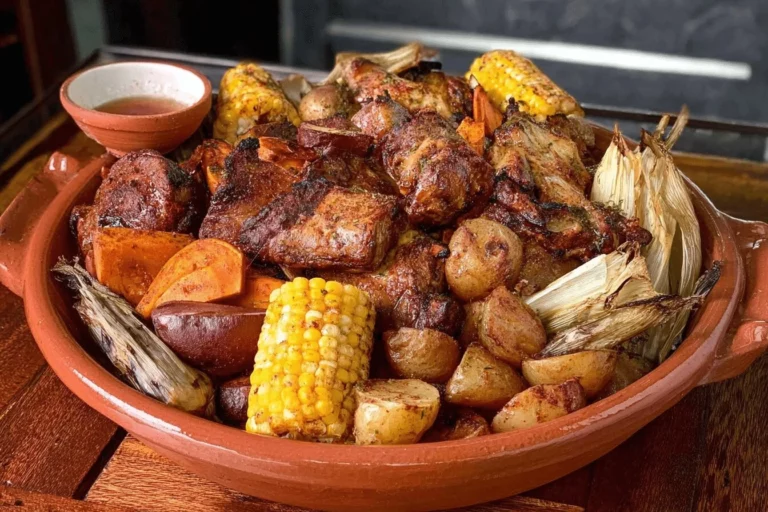
How To Make Pachamanca In A Pot
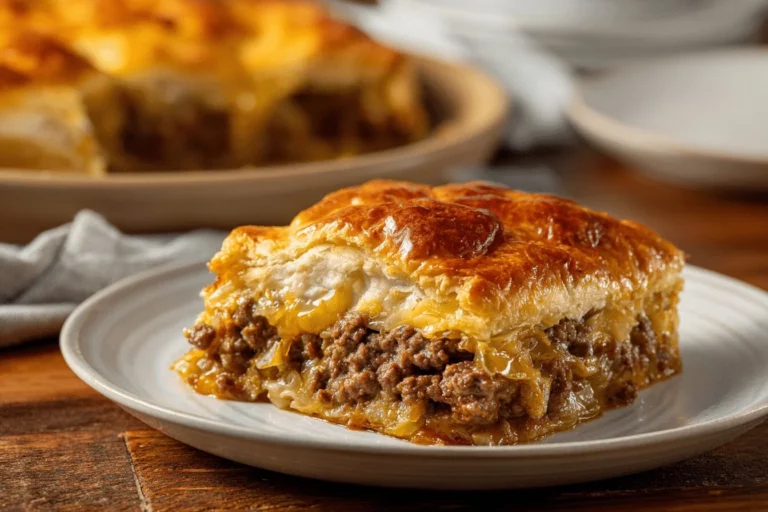
How to Make Runza Casserole at Home
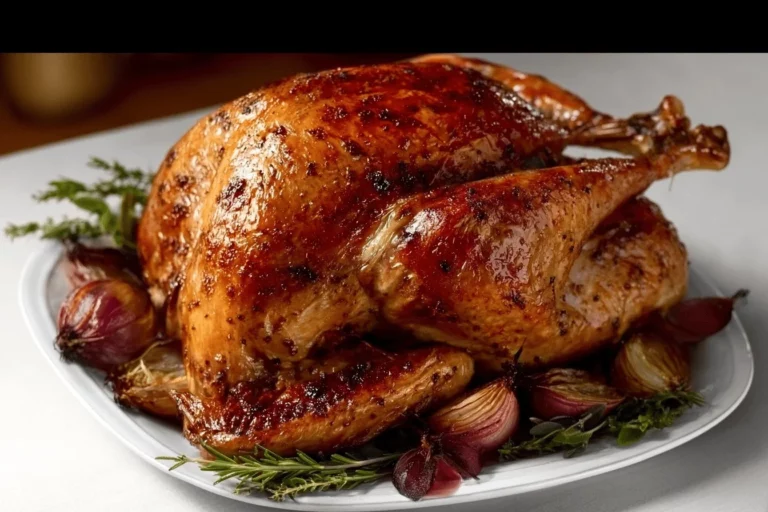
Perfect Alton Brown Good Eats Roast Turkey Recipe

30 Gingerbread Cookie Recipes That Are Too Cute

20 Green Bean Casserole Recipes To Try At Home
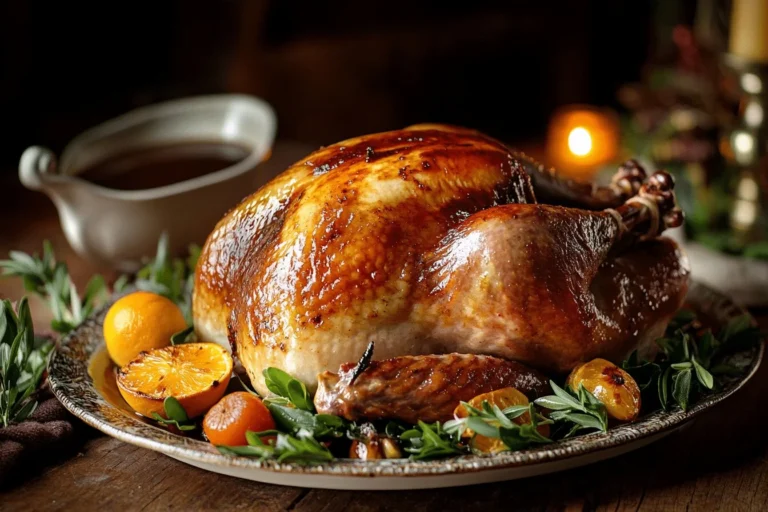
Classic Jamie Oliver Turkey Recipe