Flavorful Chef John’s Perfect Prime Rib Recipe
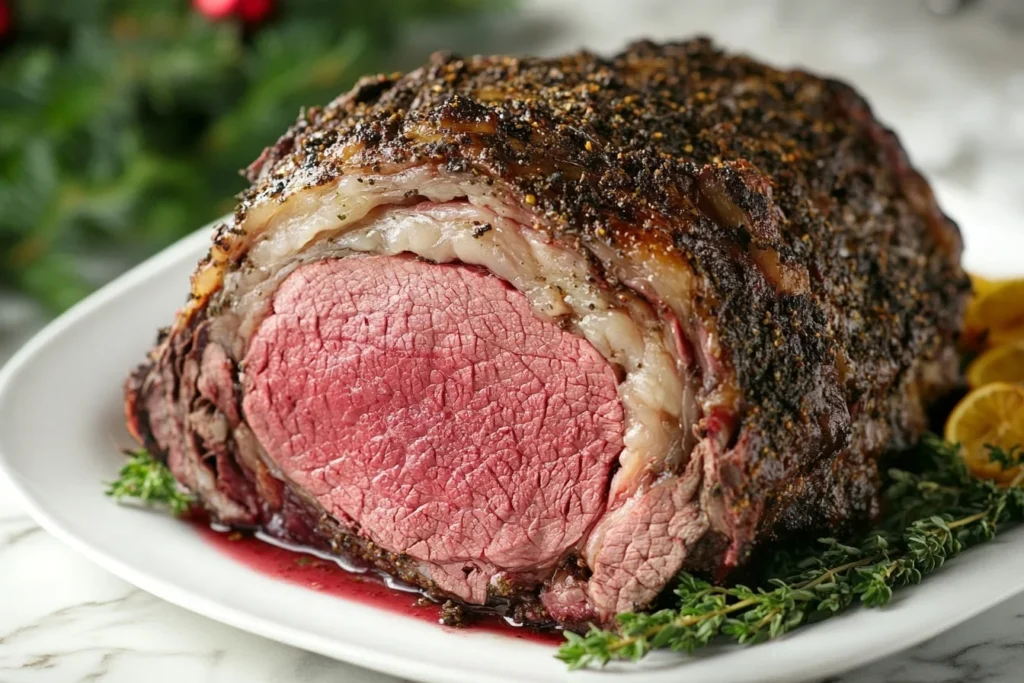
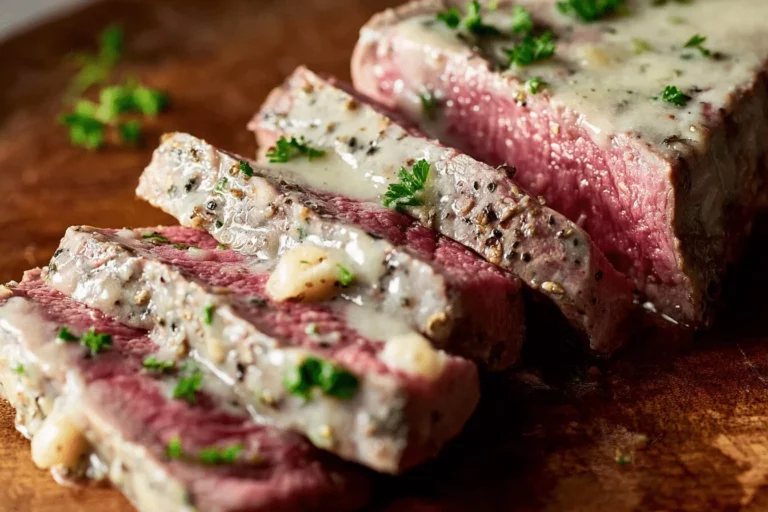
Chef John's perfect prime rib recipe is the best prime rib to serve on holidays! If you've ever carved for a prime rib with a juicy, pink interior, overcooked roast…

- Prep10 min
- Cook4 hr 20 min
- Total4 hr 30 min
- Serves8
- Calories29 kcal
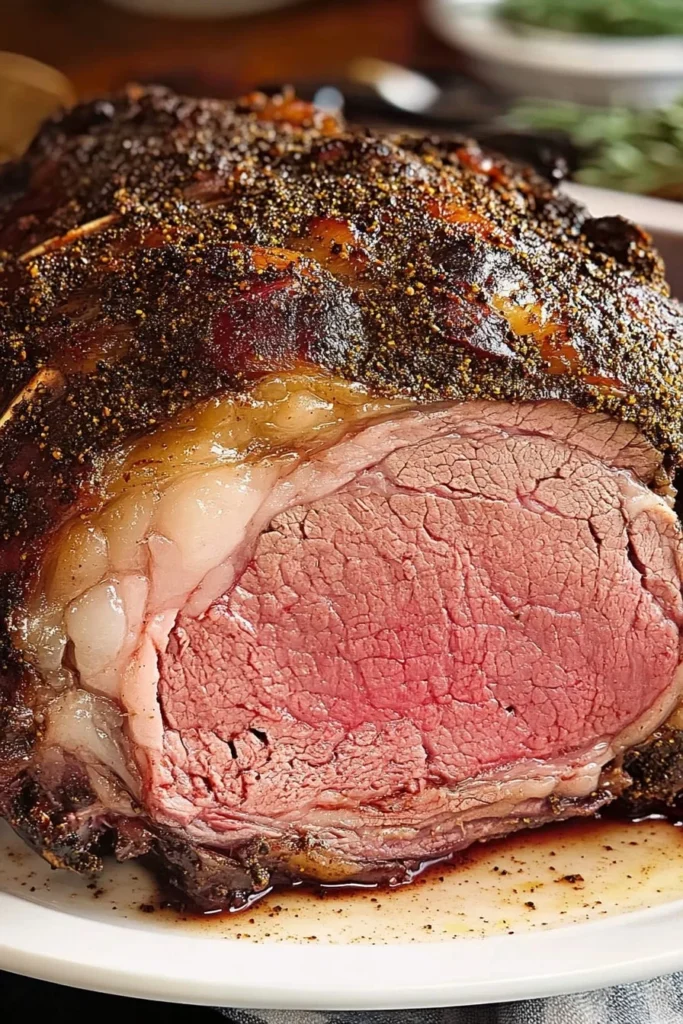
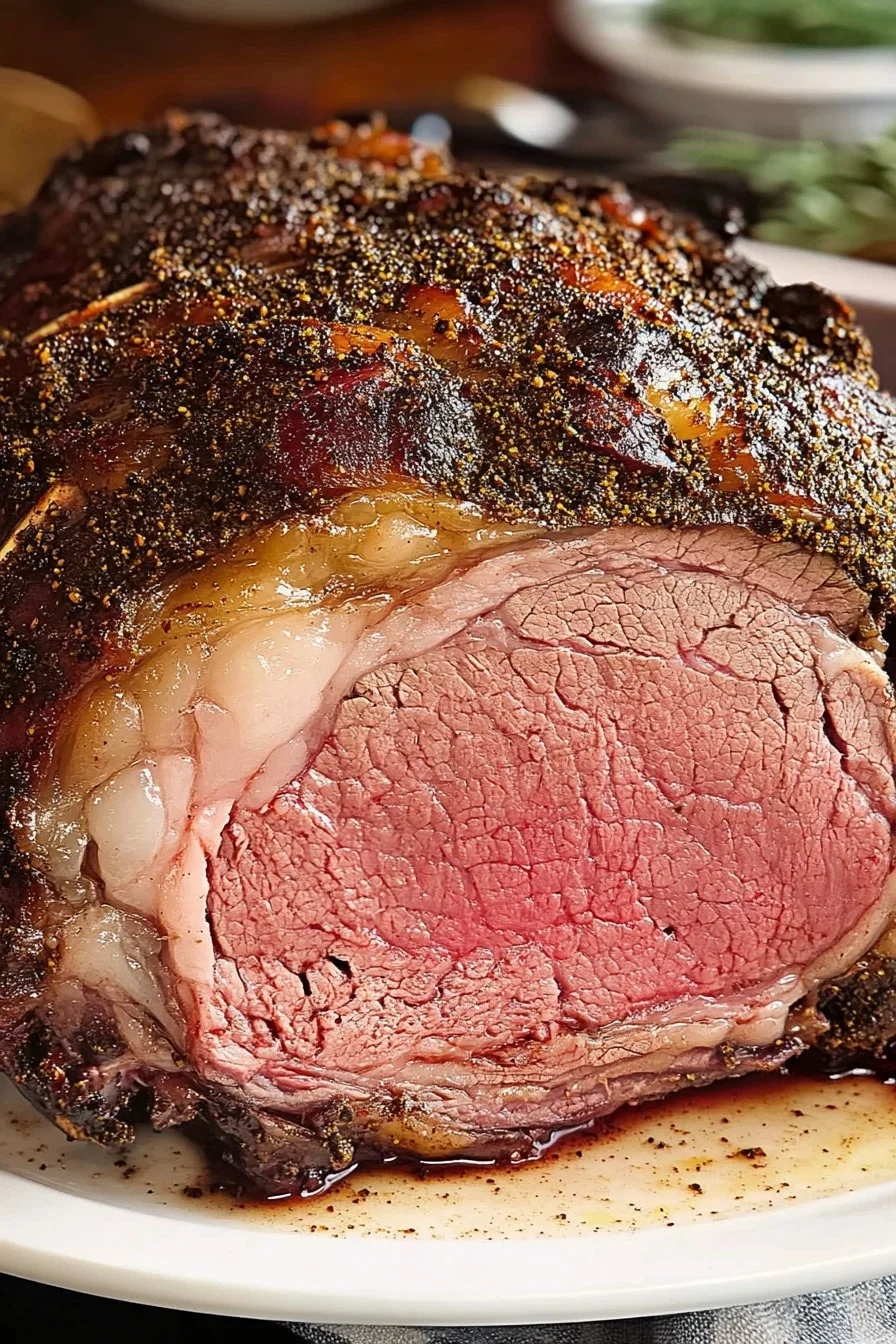
Chef John’s perfect prime rib recipe is the best prime rib to serve on holidays! If you’ve ever carved for a prime rib with a juicy, pink interior, overcooked roast then this recipe is for you.
Start by cooking your prime rib at 450 degrees for exactly 2 hours. Season it with melted butter, salt, pepper, and Herbes de Provence. Turn the oven off and wait for 2 hours without opening the door. Remove the prime rib and slice it into the most perfectly medium-rare meat you’ve seen.
To add a lot of flavor to roast rib, use cherry or apple wood to enhance the beef by adding savory aromas and flavors. You can season the roast rib with any other seasonings of your choice.
In this article, we’ll give you a step-by-step guide on how to make Chef John’s perfect prime rib recipe. This dish is a delicious combination of tender and juicy rib roast, and it’s sure to please everyone at your dinner table.
Expert Tips That I Recommend
- Before adding butter, pat the prime rib dry. A dry surface creates a flavourful, browned crust.
- To enjoy delicious flavor, season it well several hours in advance.
- Because prime rib is naturally rich and fatty, add a thin coating of herb butter.
- Let it rest for 20-30 minutes before slicing. Also, don’t wrap it tightly while resting; keep it loosely covered, like a tent.
- Always slice against the grain for soft, tender pieces.
Recipe Variation for Different Diets
- Low-Sodium Version: You need to omit salt completely.
- Keto Version: To keep this recipe keto-friendly, swap regular butter for grass-fed butter, which adds a rich, creamy flavor and fits well into a low-carb lifestyle. You can also use unsalted butter if you want more control over the salt.
Storing And Reheating This Recipe
Storing
- Allow the prime rib to cool completely. Then place it in an airtight container. Now you need to refrigerate it. Consume within 3-4 days. But keep the temperature at 4 degrees Celsius or below.
- For a longer duration, you can also freeze it in a freezer-safe bag. This way, it will remain fresh for 2 to 3 months.
Reheating
- Oven: Preheat the oven to 250 degrees C, then add the slice to the baking dish and cover with foil. Now heat it for 10-15 minutes.
- Stovetop: Heat a skillet, add the prime roast with some broth, and warm for 2-4 minutes per side. Remove the meat as soon as it is piping hot.
What To Serve With This Recipe
Serve Chef John’s Perfect Prime Rib with simple sides that complement its rich, tender flavor. Creamy mashed potatoes or crispy Roasted Potatoes make a comforting choice.
You can also serve it with roasted vegetables such as Asparagus, Carrots, Broccoli, or Brussels sprouts, which add freshness and color to the plate. A light Green Salad never goes out of style, as it can balance the richness of the beef, and caramelized onions add a touch of sweetness.
Printable Version
- Prep10 minutes
- Cook4 hours 20 minutes
- Extra
- Total4 hours 30 minutes
- Serves8
- Calories29kcal
Ingredients
- 4 Pound Bone-in Prime Rib Roast, room temperature
- ¼ cup Butter softened
- 1 Tablespoon Ground Black Pepper
- 1 Teaspoon Herbes de Provence
- Salt to taste
Equipment
- Oven
- Roasting Pan
- Mixing Bowl
- Spatula
- Wire Rack
Method
- Place the prime rib roast in a roasting pan and bring it to room temperature for two hours. Meanwhile, preheat the oven to 450º.
- Prime rib has plenty of flavor, so you don't need more than a light sprinkle of salt and pepper. In a small bowl, combine melted butter, black pepper, and Herbes de Provence, and mix until well blended.
- Spread the melted butter mixture evenly over the entire roast. Season the roast generously with kosher salt.
- Roast for 30 minutes, then reduce the heat to 350º and cook for about 1 hour and 30 minutes more, or until medium-rare. Remove the roast from the oven and rest for 20 minutes.
- Slice the roast crosswise and serve on a platter with the ribs and the sauce of your choice.
Recipe notes
Nutrition
per serving- 29kcalCalories
- 7gCarbs
- 0.4gProtein
- 0.2gFat
- 0.3gFibre
- 3gSugar
- 54mgSodium
Leave a star rating and a comment below. It helps other cooks, and we read every one.
FAQs About Chef John’s Perfect Prime Rib
What do I serve with prime rib?
Serve creamy, buttery potatoes with juicy meat. Add in some roasted cauliflower or Brussels sprouts for a balanced meal.
Do I need to season it with salt and pepper?
Prime rib is so delicious that you don’t need to add anything to make it tastier. But when we say season with salt and pepper, we mean coating the prime rib with a layer of kosher salt.
How do you make sure your prime rib is tender?
Roast your prime rib at medium temperature, remove it when it reaches 125º F, and let it rest for about 20 to 30 minutes before slicing. Rest it for 20 minutes for the most tender, juicy prime rib.
Do you oil the prime rib before seasoning?
Rub the oil on all sides of the prime rib, then sprinkle with the herbs and spices, pressing it into the meat with your hands.
More Recipes That You Can Try
Gordon Ramsay’s Sea Bass With Sorrel Sauce Recipe
Flavorful Gordon Ramsay Steak Marinade
Conclusion
It’s not as hard as you might think – all you need is patience and a lot of love for good food. Follow these simple steps, and you’ll be serving up a prime rib that will make your friends and family drool with envy. Follow the complete recipe to make this chef-style Prime Rib at home.
Made this recipe?
Leave a rating and a comment below — it helps other cooks — and pin it so you can find it again.

Agrita Chhibber Editor
More dinner recipes you'll love
 1 hr 50 minDinnerRibs On A Gas Grill Recipe
 Dinner65 Delectable And Easy Thursday Dinner Ideas
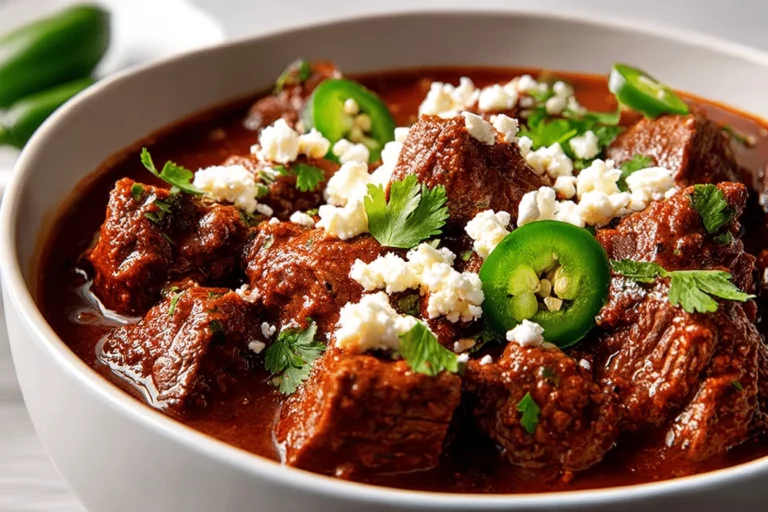 2 hr 30 minDinnerSan Antonio Chili Recipe
 Dinner20 Healthy Low Calorie Crockpot Meals You’ll Want on Repeat
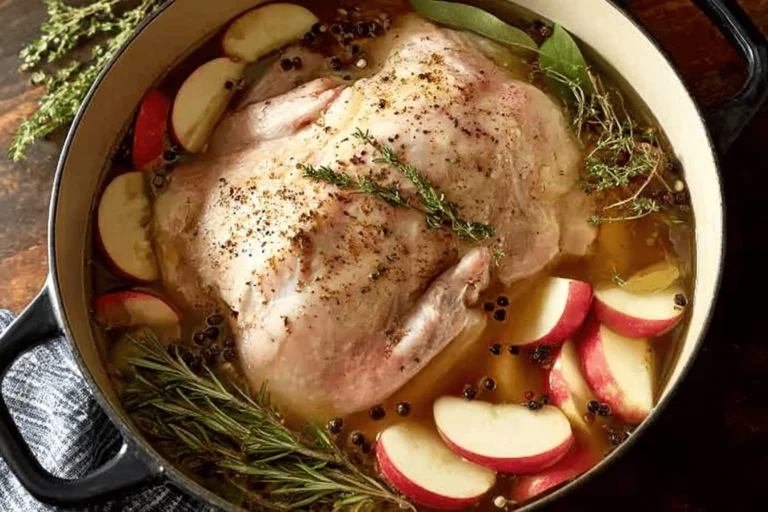 3 minDinnerAlton Brown Thanksgiving Turkey Brine Recipe
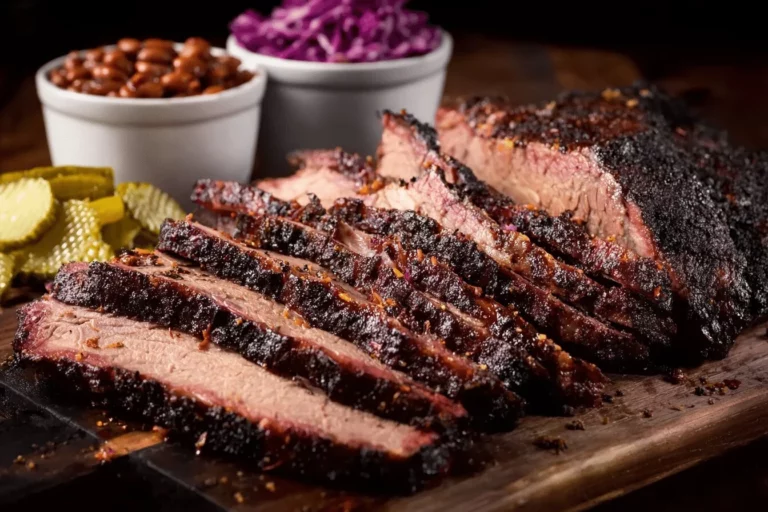 11 hrDinnerMyron Mixon Brisket Recipe
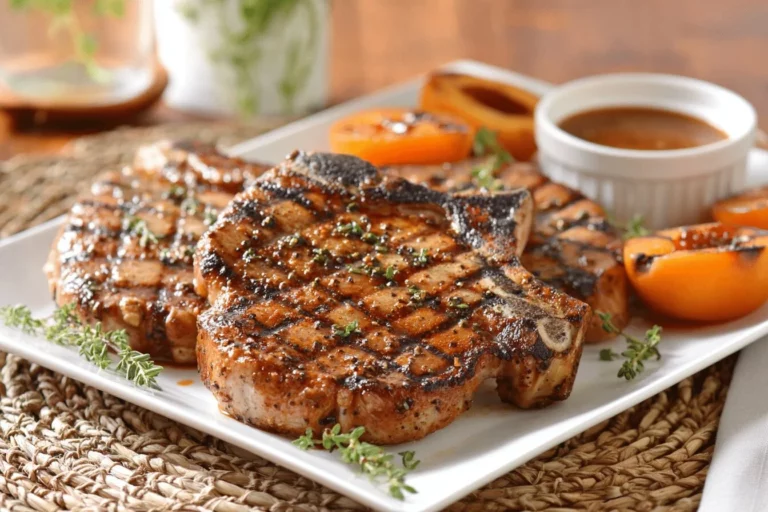 8 hr 40 minDinnerHow To Make Porterhouse Pork Chops At Home
 20 minDinnerDelectable Milk Steak Recipe